
Stop Losing 60 Day Claims: Amazon Reimbursement Audit for Sellers

An Amazon reimbursement audit is a systematic review of your Seller Central data to find money Amazon owes you for lost, damaged, or overcharged inventory that its automated systems never paid out. Most sellers who run one recover money they didn’t know was missing. Start today: pull your Inventory Adjustments and Reimbursements reports for the last 60 days and compare them line by line.
TL;DR:
- Weekly audits should be prioritized to catch discrepancies within the 60-day reimbursement window and maximize recovery chances.
- Auto-reimbursement from Amazon covers many in-fulfillment-center lost items, but manual claims are still needed for cases the system misses.
- Filtering reports like Inventory Adjustments, Reimbursements, and Returns helps identify unclaimed reimbursements, especially for damaged or lost inventory.
- Providing your manufacturing costs in the reimbursement portal ensures accuracy, as recent changes now base many payments on these estimates instead of sale prices.
- Regular automated monitoring services can streamline the process and recover potentially significant amounts, without relying solely on manual report pulling.
Table of Contents
- What Does an Amazon Reimbursement Audit Cover?
- Why Run Reimbursement Audits Regularly?
- What Policy Changes Affect Reimbursement Eligibility?
- Which Seller Central Reports Should You Pull?
- How Do You Build a Weekly and Monthly Audit Routine?
- How Do You File a Winning Reimbursement Claim?
- What Are the Most Common Reasons Claims Get Denied?
- How BeanHawk Helps Automate the Audit Process
- The One Habit That Prevents Most Lost Claims
- Get Your Free FBA Reimbursement Audit
- Sources
- FAQ
What Does an Amazon Reimbursement Audit Cover?
An audit for refunds isn’t limited to one type of loss. It covers every point where inventory or money can disappear between your warehouse and the customer’s door box, and Amazon’s systems don’t catch all of it automatically.
The recoverable events fall into a handful of predictable buckets:
- Lost or damaged inventory inside fulfillment centers. Units get crushed, misplaced, or written off during processing, and Amazon owes reimbursement for many of these events.
- Customer returns not restocked. Amazon refunds the buyer but never puts the item back into your sellable inventory, so you eat the loss twice.
- Inbound shipment shortages. You ship 500 units and Amazon’s warehouse only logs receipt of 480, with no explanation for the missing 20.
- Fee overcharges. Amazon assigns the wrong dimensions or weight tier to a listing, which inflates FBA fees on every single sale.
Each category needs its own report pull, which is why a real audit for Amazon sales touches five or six reports, not one.
Why Run Reimbursement Audits Regularly?
Sellers who never audit leave real money on the table. Recovery amounts vary widely by catalog size and complexity, but even a modest-volume seller can find missed reimbursements worth hundreds of dollars a month once inbound shortages, unrestocked returns, and fee errors are added up.
Manufacturing-cost reimbursement changed the math. Since March 10, 2025, Amazon calculates many inventory reimbursements using manufacturing cost estimates rather than your listed sale price, unless you supply your own cost data through the Inventory Defect and Reimbursement portal. Sellers who skip that step often get reimbursed at a fraction of what the unit actually cost them to make.
Audit frequency matters just as much as the audit itself:
- Weekly audits catch discrepancies while they’re still fresh and well within eligibility windows.
- Monthly audits still work, but they miss more edge cases as claim windows tighten.
- Quarterly or annual reviews routinely let claims expire before anyone notices the loss.
Sellers who audit weekly tend to capture close to the full share of what they’re eligible for, according to a reconciliation-frequency analysis of claim timing versus payout rates. Monthly audits land lower, and the gap widens the less often you check.
What Policy Changes Affect Reimbursement Eligibility?
Two changes reshaped how audit Amazon reimbursements work, and both took effect within the last two years.
Auto-reimbursement started November 1, 2024. Amazon now proactively reimburses many items reported lost inside fulfillment centers without you filing anything. That sounds like it solves the problem, but it doesn’t. Sellers still need to file manual claims for cases the system misses and for removal-related losses, and plenty of eligible cases fall through that automated net.
Eligibility windows got shorter. Many manual claims for fulfillment-center lost or damaged items now carry a 60-day window from the date of the incident, down from the longer windows sellers used to have. Miss it, and the claim is gone permanently, no appeal possible.
- Auto-reimbursement handles many FC-lost cases automatically.
- Manual claims are still required for removals and cases the system skips.
- The Inventory Defect and Reimbursement portal lets you enter your own manufacturing cost so reimbursements reflect actual unit economics instead of Amazon’s default estimate.
Pro Tip: Set your manufacturing costs in the portal even if you haven’t found a discrepancy yet. It’s a one-time setup that pays off automatically on every future claim, since Amazon uses whatever cost figure is on file at the time of the loss.
Which Seller Central Reports Should You Pull?
The reimbursement claim process starts with data, not guesswork. Five reports do almost all the work, and each one lives in a slightly different corner of Seller Central.
- Inventory Adjustments (under Inventory > Manage FBA Inventory > Reports) shows every unit Amazon wrote off, adjusted, or moved with a reason code like “damaged” or “misplaced.”
- Reimbursements lists everything Amazon has already paid you, so you can check what’s been resolved before flagging anything as missing.
- Received Inventory shows what Amazon’s warehouse actually logged against each shipment, which you compare to what you shipped.
- Returns reports flag customer returns and whether the unit was restocked, refunded, or simply disappeared.
- Fee Preview reports catch dimension and weight errors before they cost you money on every unit sold.
Filter Inventory Adjustments for reason codes like “Damaged: Warehouse” and “Misplaced,” and filter Returns for status codes that show a refund issued with no matching restock. Reconciling ledger rows against reimbursement rows and returns rows is the core technique that surfaces most claims.
Pro Tip: Export these reports as CSVs and use a simple VLOOKUP or pivot table to match adjustment IDs against reimbursement IDs. Anything in Adjustments without a matching paid reimbursement is a candidate claim.

How Do You Build a Weekly and Monthly Audit Routine?
A working audit cadence has two layers: a fast weekly pass and a deeper monthly reconciliation. Skipping the weekly pass is how sellers lose claims to shortened eligibility windows.
Weekly routine (30 to 60 minutes):
- Pull Inventory Adjustments and Reimbursements for the last 7 to 10 days.
- Filter for damage and loss reason codes, then check whether a matching reimbursement already posted.
- Flag any unmatched adjustment older than a few days for immediate filing.
Monthly routine (deeper reconciliation):
- Compare each inbound shipment’s units-shipped total against Received Inventory at the shipment level.
- Cross-reference Returns against restocked inventory to catch refunded-but-not-restocked units.
- Review Fee Preview for any dimension or weight changes that spiked FBA fees.
Track everything in one sheet with these columns: ASIN/FNSKU, adjustment ID, shipment ID, quantity, estimated manufacturing cost, case ID, and status. This single sheet does double duty. It’s your evidence trail if a claim gets challenged, and it’s how you avoid filing the same claim twice.
Prioritize by estimated dollar value divided by effort. A shipment shortage of 40 units worth $18 each beats chasing a single $3 fee error, even though both are technically valid. Handle the high-value cases first, then batch the small ones together during your monthly pass.
How Do You File a Winning Reimbursement Claim?
The strongest claims read like a police report, not an email to customer service. State exactly what happened, when, and back it with identifiers Amazon’s system can verify in seconds.
Before opening a case, gather:
- Shipment ID and the original shipping plan showing units sent.
- Invoices showing your manufacturing or unit cost, especially since Amazon defaults to its own cost estimate when you don’t provide one.
- Tracking confirmation and carrier receipt showing delivery to the fulfillment center.
- Photos, if the claim involves damaged goods.
Write the case description as one tight paragraph: “Shipment FBA15XXXXXXX shipped 500 units of ASIN B0XXXXXXX on [date]; Received Inventory shows 480 received with no adjustment or reimbursement on file as of [date].” Name attachments clearly, like “Invoice_ASIN_B0XXXXXXX.pdf” rather than “Scan001.pdf,” since reviewers move faster through organized cases.
If a claim gets denied, don’t drop it. Appeals that succeed usually add documentation the first submission lacked, most often a clearer invoice or a screenshot of the exact report row showing the discrepancy. Our guide on filing reimbursement claims walks through case structure in more detail, and our damaged inventory breakdown covers the specific evidence Amazon expects for damage claims.
Pro Tip: Attach the exact report row (as a screenshot with column headers visible) rather than describing the discrepancy in your own words. Reviewers approve claims faster when they can match your evidence directly against their own system.
What Are the Most Common Reasons Claims Get Denied?
Most denials trace back to the same handful of preventable mistakes, and they’re almost all avoidable with a calendar and a spreadsheet.
- Missed deadlines. A claim filed on day 61 for a 60-day window is dead on arrival, no matter how strong the evidence is.
- Insufficient documentation. A vague description without shipment IDs, ASINs, or dates gets rejected almost automatically.
- Duplicate claims. Filing for something Amazon already reimbursed wastes your time and can flag your account for review. Always check the Reimbursements report first.
- Misattributed responsibility. If a carrier lost a shipment before it reached the fulfillment center, that’s a carrier claim, not an Amazon reimbursement.
Building a recurring calendar reminder around your shortest eligibility window, usually the 60-day FC lost/damaged window, prevents the single most common and most permanent loss.
How BeanHawk Helps Automate the Audit Process
Running this manually every week works, but it’s a real time cost for a growing catalog. Beanhawk specializes in helping Amazon sellers recover funds that are lost, damaged, or under-reimbursed, through continuous monitoring of inbound shipments and FBA ledger events instead of periodic manual pulls.
The bigger difference shows up after the claim is filed. Beanhawk automates settlement posting to accounting platforms like QuickBooks and Xero, so recovered funds land in your books correctly reconciled instead of sitting as an unexplained deposit your bookkeeper has to chase down later.
A free audit can check your recent Inventory Adjustments, Reimbursements, and Returns data against what should have been paid, requiring only read access to your Seller Central account. Most sellers see initial findings within a few business days.
The One Habit That Prevents Most Lost Claims
The sellers who lose the most money aren’t the ones with complicated cases. They’re the ones who check once a quarter and let recurring losses (the same fee error, the same unrestocked-return pattern) repeat for months before noticing. A 30-minute weekly reconciliation habit catches these before they compound. Automated alerts beat occasional audits for one simple reason: they don’t forget, get busy, or assume last month’s numbers still look right.
, Tim
Get Your Free FBA Reimbursement Audit
Some services offer alternatives to spreadsheet audits and manual report-pulling for Amazon sellers, running continuous monitoring that flags lost, damaged, and under-reimbursed inventory as it happens.
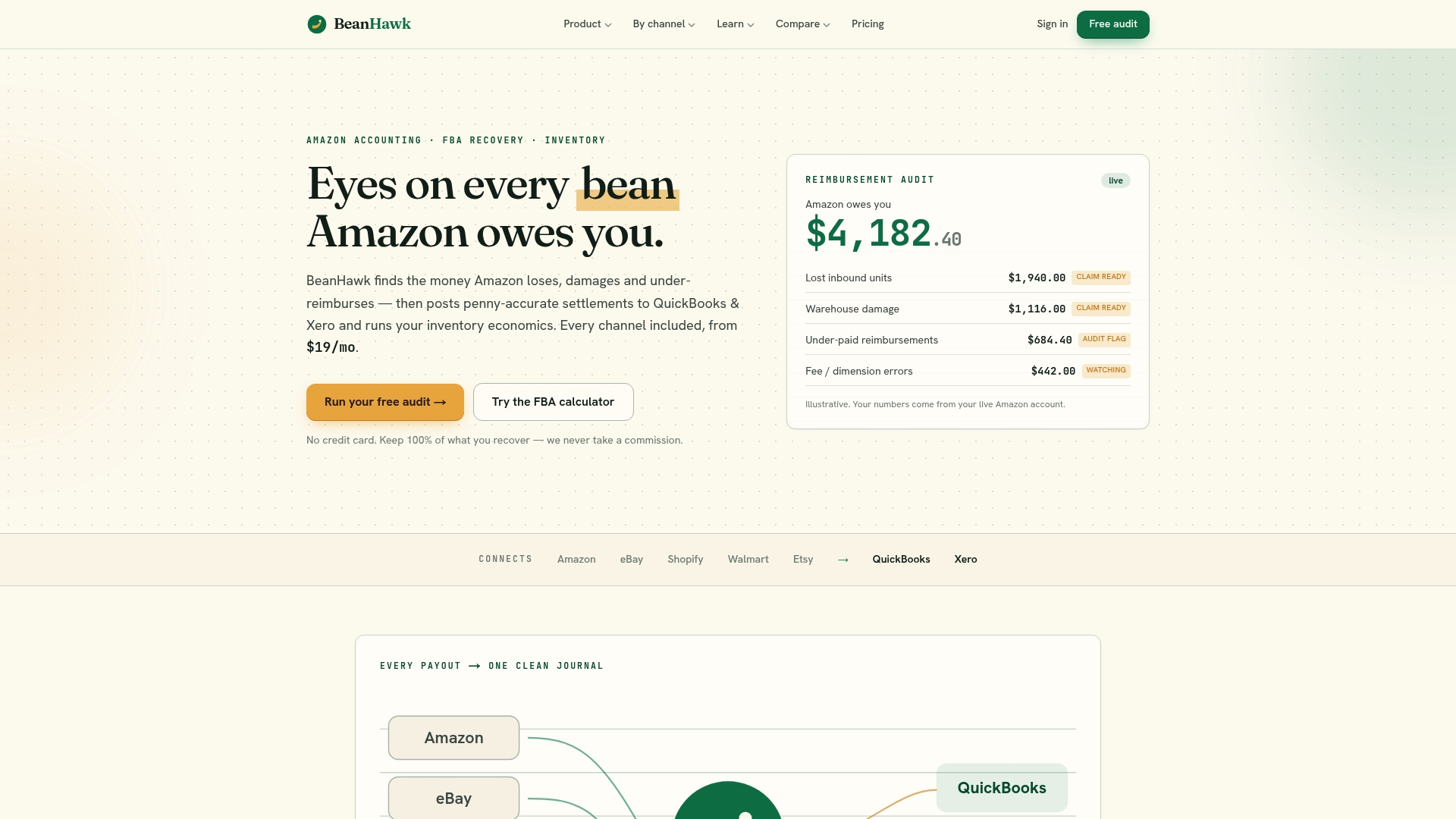
The free FBA reimbursement audit checks your recent inbound shipments and ledger events against what Amazon should have paid, with no commission taken on anything recovered. Once you’re past the audit, ongoing monitoring and settlement posting to QuickBooks and Xero run on flat monthly pricing across the Free, Starter, Growth, and Scale plans, so your books stay reconciled without a separate cleanup project every quarter. Start with the free audit and see what Amazon currently owes you.
Sources
- Update to the FBA inventory reimbursement policy
- Amazon Reimbursement Rules 2026: What Changed and How to Claim
FAQ
Is Amazon Really Refunding Money?
Yes. Amazon reimburses sellers for inventory it loses, damages, or mishandles inside its fulfillment network, and since November 2024 it has auto-reimbursed many lost-in-FC cases without a manual claim. Plenty of eligible cases still require you to file manually, which is the entire reason an audit process exists.
What Is Amazon’s Reimbursement Policy?
Amazon reimburses sellers for units lost or damaged in fulfillment centers, returns refunded but never restocked, and inbound shipment shortages. Since March 10, 2025, most inventory reimbursements are calculated from manufacturing cost unless the seller supplies their own cost data in the portal.
What Is an Amazon Audit?
An Amazon seller audit is a review of Seller Central reports, including Inventory Adjustments, Reimbursements, Returns, and Received Inventory, to find discrepancies where Amazon owes money it hasn’t paid. Beanhawk runs this process continuously through automated monitoring rather than periodic manual checks.
How Do I Find Out if Amazon Owes Me Money?
Pull your Inventory Adjustments and Reimbursements reports and look for adjustment rows with no matching paid reimbursement, then check Returns for refunds issued without a restock. A free audit from Beanhawk runs this comparison for you and shows what’s currently unclaimed.